Filtering Respiratory Protection Powered Air Respirators for Industry, Trade, and Demanding Work Environments
Powered air-purifying respirator (PAPR) systems provide reliable protection against particles, gases, and vapors and are among the most comfortable respiratory protection solutions for industrial applications. Whether in the chemical industry, pharmaceutical manufacturing, welding operations, asbestos removal, or the energy sector, selecting the right system depends on a wide range of factors.
For more than 30 years, PM Atemschutz has been helping organizations select, implement, and maintain professional respiratory protection solutions.
More Than Product Supply: Complete Respiratory Protection Solutions
Selecting the right powered air-purifying respirator (PAPR) system depends on a variety of factors, including the type of hazardous substances, duration of use, working environment, user comfort, and regulatory requirements. That is why PM Atemschutz offers more than individual products – we provide comprehensive consultation and support to help you identify the most suitable respiratory protection solution for your specific application.
As a specialized partner for respiratory protection, we have been supporting companies for more than 30 years. From initial hazard assessments and practical field testing to training, maintenance, and long-term service, we work closely with our customers to develop effective and sustainable protection strategies. Our goal is not to sell a single product, but to create a safe, compliant, and cost-effective respiratory protection concept.
Manufacturer-independent expert consultation
Support in selecting the most suitable respiratory protection systems
Practical field testing with end users
Long-term support from experienced respiratory protection specialists
Training and user instruction programs
Maintenance, repair, and spare parts services provided by our in-house service workshop
Rental solutions for respiratory protection systems
Our Powered Respiratory Protection Portfolio
We offer a wide range of components and system solutions to meet different applications, hazards, and workplace requirements. Explore the category that best fits your needs or contact our respiratory protection specialists for expert advice and personalized recommendations.
Powered Respiratory Protection for a Wide Range of Industries
We support customers across a wide range of industrial sectors. Thanks to our specialized expertise in respiratory protection, we understand the unique challenges, regulatory requirements, and application-specific needs of many industries and work environments.
Chemical Industry Protection against hazardous substances, gases, and vapors.
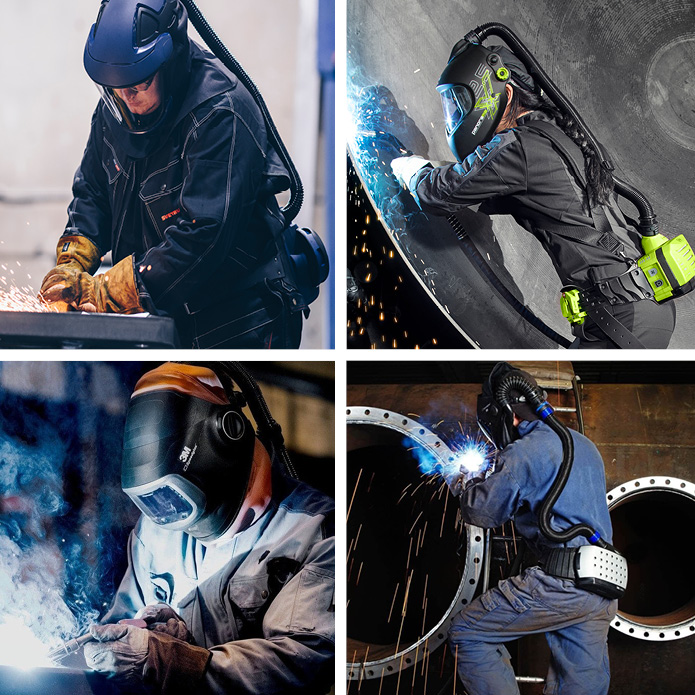
Metalworking & Welding Protection against fumes, sparks, fine dust, and aerosols.
Construction & Remediation Safe working solutions for dust-intensive environments and hazardous material remediation.
Waste Management & Recycling Protection for work involving unknown or changing hazardous substances.
Pharmaceutical Industry & Laboratory Environments Reliable respiratory protection solutions for manufacturing and laboratory applications.
Asbestos Removal & Environmental Remediation Protection against hazardous fibers, dusts, and contaminated materials.
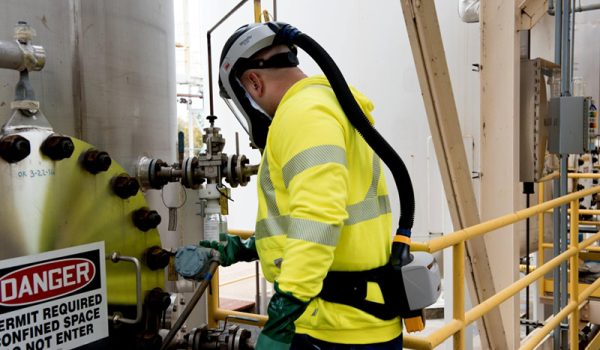
Maintenance & Turnaround Services Respiratory protection for maintenance, shutdown, and repair operations.
Fire & Disaster Response Respiratory protection systems for emergency response, rescue, and decontamination operations.
What Is Powered Respiratory Protection?
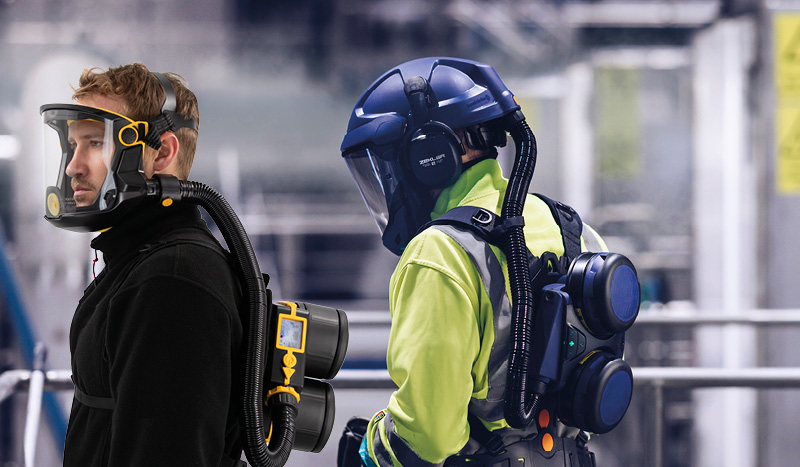
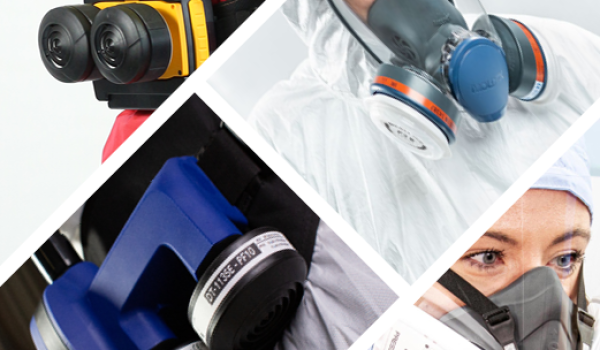
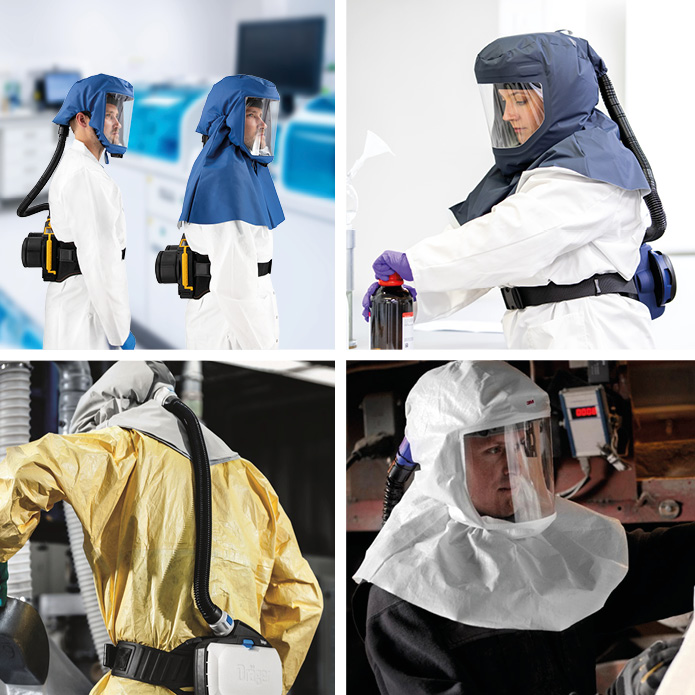
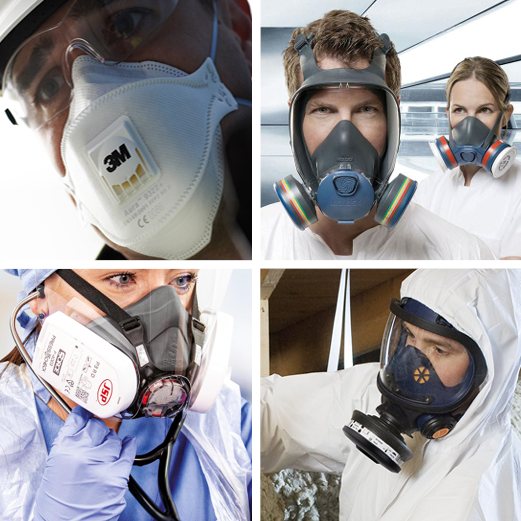
Powered respiratory protection belongs to the category of air-filtering respiratory protective devices. A battery-powered blower unit draws in contaminated ambient air and passes it through appropriate particulate, gas, or combination filters.
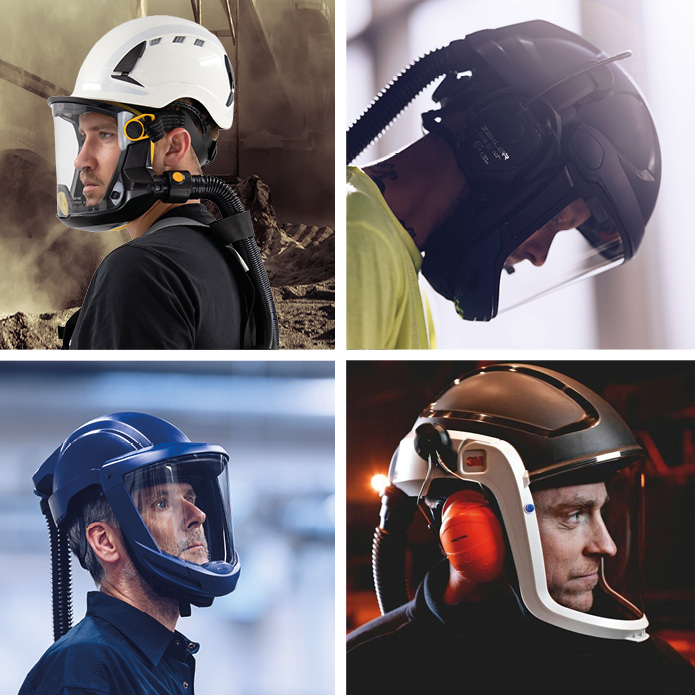
The purified air is then delivered through a breathing hose to the respiratory interface, such as a hood, helmet, visor, or mask. The continuous airflow creates a slight positive pressure inside the respiratory interface, reducing breathing resistance and helping to prevent contaminants from entering the breathing zone.
Air-filtering respiratory protection devices depend on the surrounding atmosphere and may only be used under specific conditions. Among other requirements, a sufficient oxygen concentration must be present (minimum 17%).
In addition, the environmental conditions must be known, and the hazardous substances must be suitable for filtration by the selected filter type. Warning properties such as odor or taste must also be detectable where required by applicable regulations.
Air-filtering respiratory protection must not be used in environments where contaminant concentrations pose an immediate danger to life or health (IDLH) or where oxygen levels are insufficient.
Comprehensive Support for Your Respiratory Protection Program
Purchasing a respiratory protection system is only the beginning. Proper selection, correct use, maintenance, servicing, and regular training are all essential to ensuring effective protection. This is where PM Atemschutz supports its customers with a comprehensive range of professional services.
Frequently Asked Questions About Powered Respiratory Protection
When is powered respiratory protection used?
Powered respiratory protection is used when workers need protection against particles, gases, or vapors over extended periods while maintaining a high level of wearer comfort.
What is the difference between a powered air-purifying respirator and a self-contained breathing apparatus (SCBA)?
Powered air-purifying respirators (PAPR) filter contaminants from the surrounding air. Self-contained breathing apparatus (SCBA) systems operate independently of the ambient atmosphere and are used in particularly hazardous environments.
When is explosion-proof (EX-rated) powered respiratory protection required?
EX-rated systems are used in potentially explosive atmospheres, such as those found in the chemical industry or during certain maintenance and industrial operations.
Can powered respiratory protection systems be rented?
Yes. PM Atemschutz offers a range of powered air-purifying respirator systems and compatible accessories for rental.
How do I choose the right powered respiratory protection system?
Selecting the right powered respiratory protection system depends on several factors, including the hazardous substances present, workplace conditions, duration of use, and applicable regulatory requirements. Our respiratory protection specialists will help you identify the most suitable system and manufacturer for your application.
As a manufacturer-independent partner, we provide objective recommendations and can also incorporate feedback from end users to ensure a high level of acceptance in everyday working conditions.
Do powered air-purifying respirators require maintenance?
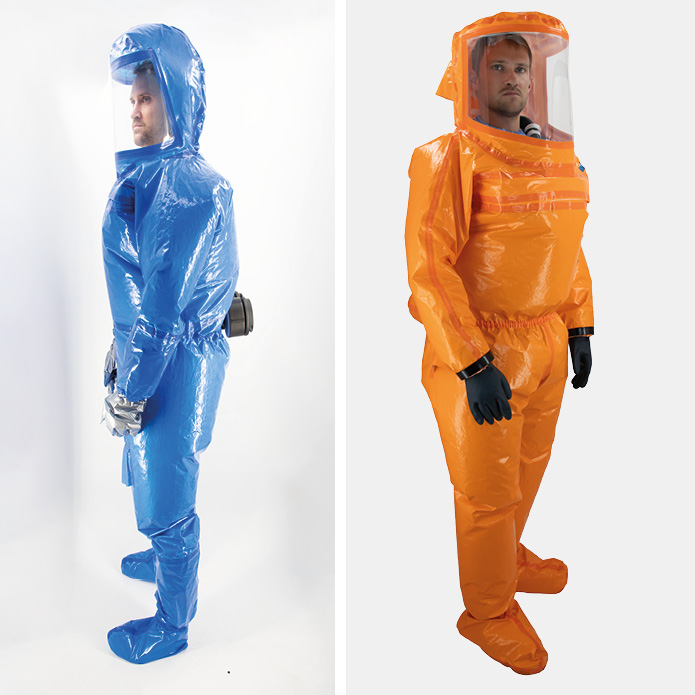
Yes. Powered air-purifying respirators and associated components such as headtops, respiratory hoods, protective suits, and breathing hoses are subject to regular inspection and maintenance intervals.
The exact maintenance requirements are determined by manufacturer specifications and applicable safety regulations. Depending on the system, maintenance intervals are often six or twelve months. Regular servicing ensures that the equipment continues to provide the required level of protection and remains fully operational at all times.